
Warts are common skin growths that can appear on the hands, feet, face, and other parts of the body. Although they are usually harmless, they may cause discomfort, spread to nearby skin, or become a cosmetic concern. Warts develop when certain types of human papillomavirus (HPV) infect the outer layer of the skin, causing cells to grow more rapidly in a localized area. Understanding the causes of warts and the available treatment options can help people manage them safely. For individuals considering genital warts treatment in saudi arabia, learning how these growths develop and when professional care may be necessary is an important first step.
What Causes Warts to Develop?
Warts are caused by certain types of HPV that enter the skin through small cuts, scratches, or other minor breaks in its protective barrier. Once the virus infects skin cells, it can cause a localized area of thickened or raised tissue to develop.
HPV includes many different types, and different types are associated with warts in different areas of the body. Common skin warts are not the same as every other condition caused by HPV, and the types that cause ordinary hand and foot warts differ from many types associated with genital infections.
Direct Contact With Infected Skin
Warts can spread through direct contact with an existing wart. Touching an affected area and then touching another part of the body may also transfer the virus, particularly when the skin is damaged.
However, not everyone who comes into contact with HPV develops warts. Individual susceptibility, the condition of the skin, and immune responses can influence whether an infection leads to visible growths.
Shared Surfaces and Personal Items
HPV may spread indirectly through contaminated surfaces or objects, although the likelihood varies. Damp communal areas, such as swimming pool changing rooms and shared showers, can expose people to conditions in which foot infections may spread.
Sharing items that come into contact with affected skin, including nail clippers or towels, may also contribute to transmission. Wearing footwear in communal wet areas and avoiding shared personal grooming tools can help reduce exposure.
Cuts, Scratches, and Skin Irritation
Small injuries make it easier for viruses to enter the skin. Nail biting, picking at the skin around the nails, shaving over affected areas, or repeatedly scratching a wart may help spread the infection to nearby skin.
Keeping minor cuts clean, avoiding picking at warts, and washing hands after touching an affected area can reduce opportunities for transmission.
Who Is More Likely to Develop Warts?
Warts can affect people of any age, but they are common among children and teenagers. People who frequently have small cuts on their hands or feet, bite their nails, or walk barefoot in communal wet areas may have increased opportunities for exposure.
Individuals with weakened immune systems may develop more persistent, widespread, or recurrent warts. Nevertheless, developing a wart does not necessarily indicate a serious health problem. Many uncomplicated warts can be managed with observation or appropriate treatment.
Common Types of Warts
Recognizing the general appearance and location of a wart can help guide an assessment, although a professional examination may be necessary to confirm the diagnosis.
Common Warts
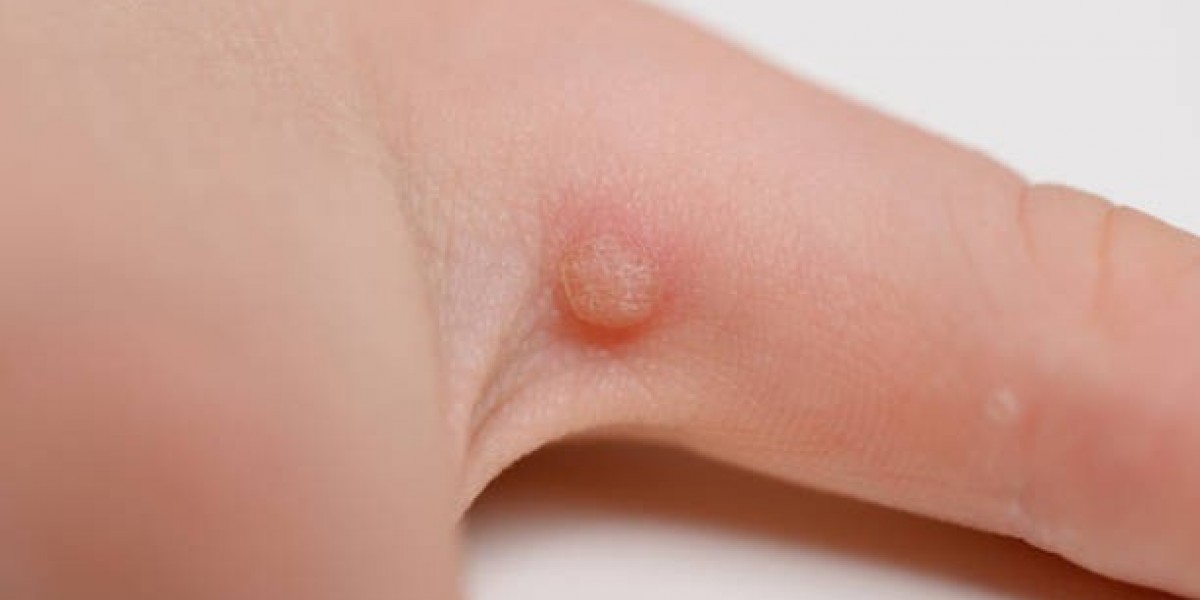
Common warts usually appear as rough, raised growths on the fingers, hands, and around the nails. They may contain tiny dark dots representing small blood vessels. Treatment may be considered if they spread, cause discomfort, or persist.
Plantar Warts
Plantar warts develop on the soles of the feet. Pressure from walking can push them inward, making them painful or uncomfortable. They may resemble calluses, so correct identification is important before treatment.
Flat and Filiform Warts
Flat warts are generally small, smooth growths that may occur in groups on the face, hands, or legs. Filiform warts have narrow, finger-like projections and often appear around the nose, mouth, or eyes.
Because facial skin is sensitive and other growths can look similar, suspected warts in these areas should be assessed before removal.
How Can Warts Be Treated?
The best treatment depends on the wart's location, size, thickness, duration, and response to previous treatment. Some warts disappear naturally, while others need medical intervention. Warts Removal Treatment in Riyadh may involve topical products or clinical procedures selected according to the patient's needs.
Salicylic Acid
Salicylic acid is a commonly used treatment for certain warts, especially those on the hands and feet. It gradually breaks down thickened skin, allowing affected tissue to be removed over time.
Consistent application is usually required, and improvement may take several weeks. These products should not be applied to the face, genital area, or other sensitive locations unless specifically directed by a healthcare professional. People with diabetes, poor circulation, or reduced sensation should seek medical advice before treating foot warts themselves.
Cryotherapy
Cryotherapy involves freezing wart tissue, commonly with liquid nitrogen. The procedure damages the affected cells and encourages the body's healing response to remove the growth.
Temporary redness, tenderness, or blistering may occur. Some warts respond after one session, while others require repeated treatments. The outcome depends on the wart's characteristics and the individual's response.
Electrosurgery and Curettage
For selected persistent warts, a clinician may recommend electrosurgery, curettage, or a combination of the two. These procedures destroy or physically remove affected tissue and may require local anesthesia.
They can be useful in specific cases, but healing may involve wound care, and potential risks include infection, scarring, and recurrence. A clinician will consider the location and the likelihood of leaving a visible mark before recommending these methods.
Laser Treatment
Laser treatment may be considered for certain warts that have not responded to other approaches. Depending on the technique, it targets wart tissue or blood vessels supporting the growth.
The number of sessions and recovery time vary. Possible side effects include discomfort, pigment changes, scarring, and recurrence. Laser treatment is not necessary for every wart, and its suitability should be assessed by a qualified professional.
What Happens During a Professional Assessment?
A clinician generally examines the growth, asks when it appeared, and reviews symptoms and previous treatments. Typical warts can often be identified through a visual examination, but further investigation may be needed if the appearance is unusual or the diagnosis is uncertain.
Professional assessment is especially important when a growth bleeds repeatedly, changes rapidly, becomes unusually painful, has irregular coloring, or does not resemble a typical wart. Genital warts also require specific medical evaluation and should not be treated with ordinary over-the-counter wart removers.
For patients considering Warts Removal Treatment in Riyadh, a proper assessment helps determine whether removal is necessary and which method offers an appropriate balance of effectiveness, healing, and potential side effects.
How to Reduce the Risk of Warts Returning
Warts may recur even after successful removal because the virus can remain in nearby skin. Although recurrence cannot always be prevented, certain habits can reduce the risk of spreading the virus.
Avoid picking, cutting, or scratching warts.
Wash your hands after touching an affected area.
Keep small cuts and scratches clean.
Wear footwear in communal showers and pool changing areas.
Avoid sharing nail clippers, towels, and other personal grooming tools.
Follow professional aftercare instructions after treatment.
If warts repeatedly return or spread widely, a healthcare professional can assess possible contributing factors and discuss further options.
Choosing the Right Approach to Wart Removal
Warts develop when certain types of HPV infect the skin, often entering through small breaks in its protective barrier. They may spread through direct contact or contaminated surfaces, but many can be treated successfully with suitable topical products or clinical procedures. The best option depends on the type of wart, its location, and the patient's medical history.
For professional guidance on Warts Removal Treatment in Riyadh, contact Royal Clinic Saudia to arrange a consultation and discuss appropriate treatment options for your skin concern.