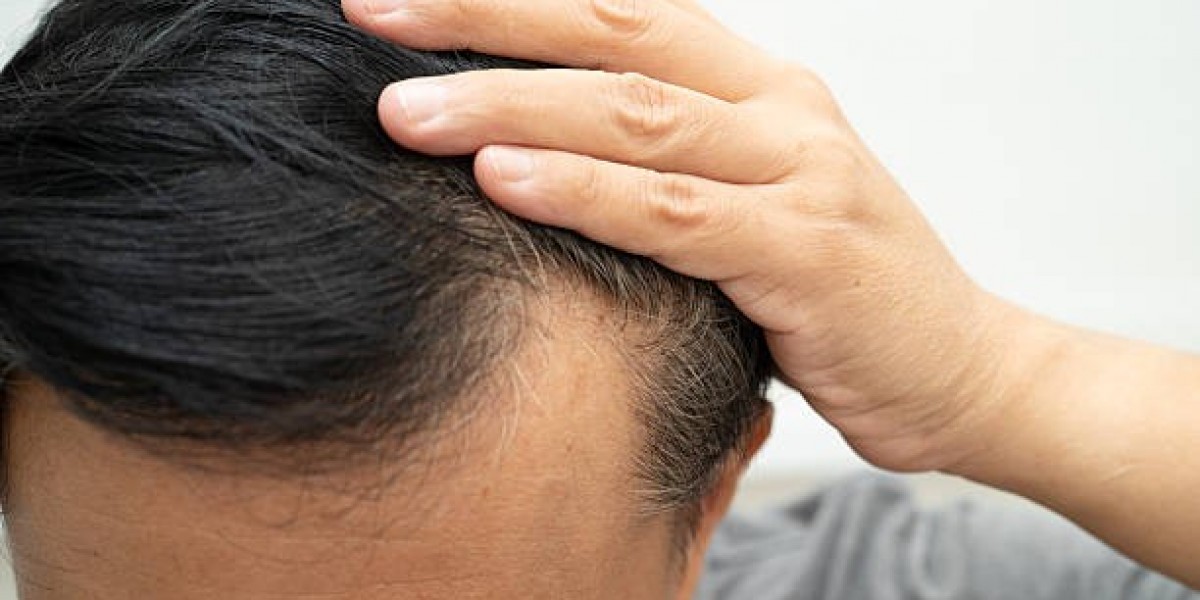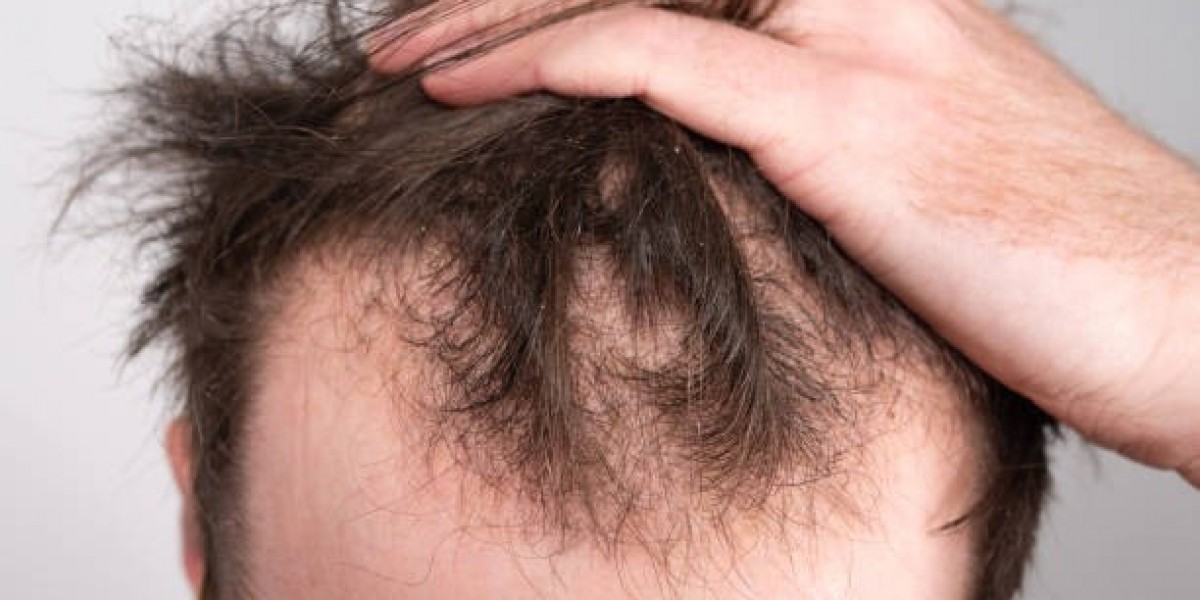

Hair thinning and excessive shedding can occur for several reasons, including hereditary factors, hormonal changes, stress, and certain medical conditions. Choosing an appropriate treatment starts with understanding the available options and how they work. PRP Hair Treatment in Riyadh is a nonsurgical procedure that uses platelet-rich plasma prepared from the patient's own blood to support hair growth in selected cases. Hair growth medications offer another approach by targeting specific processes associated with hair loss. Comparing these options can help you understand their potential benefits, limitations, and suitability for your individual needs.
Although both treatments aim to improve hair growth or help preserve existing hair, they work differently and may be recommended for different situations. PRP Hair Treatment in Riyadh involves injections into selected scalp areas, while hair growth medications may be applied topically or taken orally, depending on the medicine and the patient's needs. The most suitable choice depends on the cause of hair loss, medical history, treatment preferences, and professional advice. Neither option guarantees results, and some people may benefit from a combination approach under medical supervision.
What Is PRP Hair Treatment?
Platelet-rich plasma, commonly known as PRP, is prepared using a small sample of the patient's blood. The sample is processed to concentrate platelets within the plasma. Platelets contain growth factors and signaling substances involved in the body's natural repair processes.
During treatment, a qualified practitioner injects the prepared plasma into selected areas of the scalp. PRP is intended to support the local environment around hair follicles and may improve hair density in some people, particularly those with certain forms of pattern hair loss. Its effectiveness varies, and research continues to examine the best preparation methods, treatment schedules, and patient groups.
What Are Hair Growth Medications?
Hair growth medications are treatments designed to reduce hair loss, support regrowth, or address an underlying cause. The appropriate medicine depends on the type of hair loss and the patient's medical circumstances.
Topical Minoxidil
Minoxidil is a topical medication used for certain types of hair loss, including pattern hair loss. It may help support hair growth and slow thinning in some people when used consistently as directed. Results generally take several months to assess, and continued use is usually needed to maintain benefits.
Possible side effects include scalp irritation, dryness, or unwanted hair growth in nearby areas. Follow the product instructions and seek professional advice if irritation or other concerns develop.
Oral Medications
Certain oral medications may be prescribed for specific types of hair loss. For example, finasteride is used for male pattern hair loss in appropriate patients. It is not suitable for everyone and can cause side effects, so a clinician should discuss its risks, benefits, and precautions before use.
Other medicines may be considered for selected diagnoses, but they are not interchangeable. Avoid taking prescription hair-loss medication without medical guidance.
Key Differences Between PRP and Hair Growth Medications
How They Work
PRP delivers concentrated platelets into selected scalp areas, with the aim of supporting follicle activity. Medications work through specific biological pathways. For example, minoxidil can support hair growth, while finasteride reduces the conversion of testosterone into dihydrotestosterone, a hormone involved in many cases of male pattern hair loss.
Treatment Method
PRP requires an appointment for blood collection, processing, and scalp injections. Topical medications are applied to the scalp at home, while oral medications are taken according to a clinician's instructions. The convenience and commitment involved therefore differ.
Consistency and Maintenance
PRP treatment often involves an initial series of sessions and possible maintenance treatments, depending on the provider's protocol and the patient's response. Medications usually require regular, ongoing use to maintain their benefits. Stopping a medication may lead to the gradual loss of hair gained or preserved during treatment.
Results and Evidence
Some studies report improved hair density with PRP in people with pattern hair loss, but findings vary between studies. Certain medications, including topical minoxidil and oral finasteride for appropriate patients, have more established evidence for specific types of pattern hair loss. The best option depends on the diagnosis rather than a general ranking of treatments.
Can PRP and Hair Growth Medications Be Combined?
A healthcare professional may recommend combining PRP with medication in selected cases. The treatments work differently, so a combination may be considered when it fits the individual's diagnosis and treatment goals. However, combined treatment does not guarantee better results for every patient.
Before starting multiple treatments, discuss possible side effects, contraindications, costs with your provider if relevant to your decision, and the expected follow-up schedule. Your clinician can help determine whether one treatment or a combination is appropriate. PRP Hair Treatment in Riyadh should be considered as part of an individualized plan rather than a replacement for necessary medical treatment.
Who Should Consider Each Option?
PRP may be considered for selected individuals with active follicles and certain forms of pattern hair loss. Medications may be appropriate when the diagnosis matches the medicine's intended use and the patient can safely follow the treatment plan.
Sudden hair shedding, patchy hair loss, scalp inflammation, or thinning associated with illness or nutritional deficiency may require investigation before treatment begins. A dermatologist can assess the scalp, review medical history, and recommend tests if needed to identify the cause.
Book a Consultation at Royal Clinic Saudia
If you are experiencing hair thinning, a professional assessment can help you compare PRP with suitable hair growth medications and understand their limitations. Royal Clinic Saudia can discuss your concerns, explain the potential benefits and risks of available options, and help you explore a treatment plan suited to your needs. Book a consultation to receive guidance before beginning a hair restoration treatment.
FAQs:
Is PRP better than hair growth medication?
Not necessarily. The better option depends on the type of hair loss, medical history, and treatment goals. Some medications have stronger evidence for particular forms of pattern hair loss, while PRP may be considered in selected cases.
How long does it take for PRP and medications to work?
Both treatments take time. Hair changes may take several months to become noticeable, and individual results vary. A healthcare professional can help set realistic expectations and monitor progress.
Can I use minoxidil while receiving PRP treatment?
Some people may use both treatments under professional guidance. Your clinician can advise on timing, application, and whether the combination is appropriate for your scalp and diagnosis.
Do hair growth medications need to be used permanently?
Some medications require ongoing use to maintain their benefits. If treatment is stopped, hair loss may gradually resume. The expected duration depends on the medication and the underlying condition.