
Hair loss and hair thinning are common concerns that can affect men and women at different stages of life. While some daily hair shedding is normal, noticeable changes in hair density, a widening part, a receding hairline, or bald patches may indicate an underlying issue. Genetics, hormonal changes, nutritional deficiencies, stress, and scalp conditions are among the factors that can influence hair growth. Understanding these causes is the first step toward choosing an appropriate hair loss treatment. With a professional assessment and a suitable care plan, many people can manage excessive shedding, address contributing health problems, and protect the hair they still have.
What Is the Difference Between Hair Loss and Hair Thinning?
Hair loss occurs when hair strands shed more than expected or when follicles stop producing hair in certain areas. Hair thinning refers to a reduction in overall hair density, making the scalp more visible or the hair appear less full. These changes may occur together, but they do not always have the same cause.
It is normal to lose some hair each day as part of the natural hair growth cycle. Concern may arise when shedding increases significantly, hair density decreases over time, or new hair does not replace lost strands as expected. The pattern, duration, and severity of these changes can help a healthcare professional identify the possible cause.
Genetic Factors and Hereditary Hair Loss
Pattern Hair Loss in Men
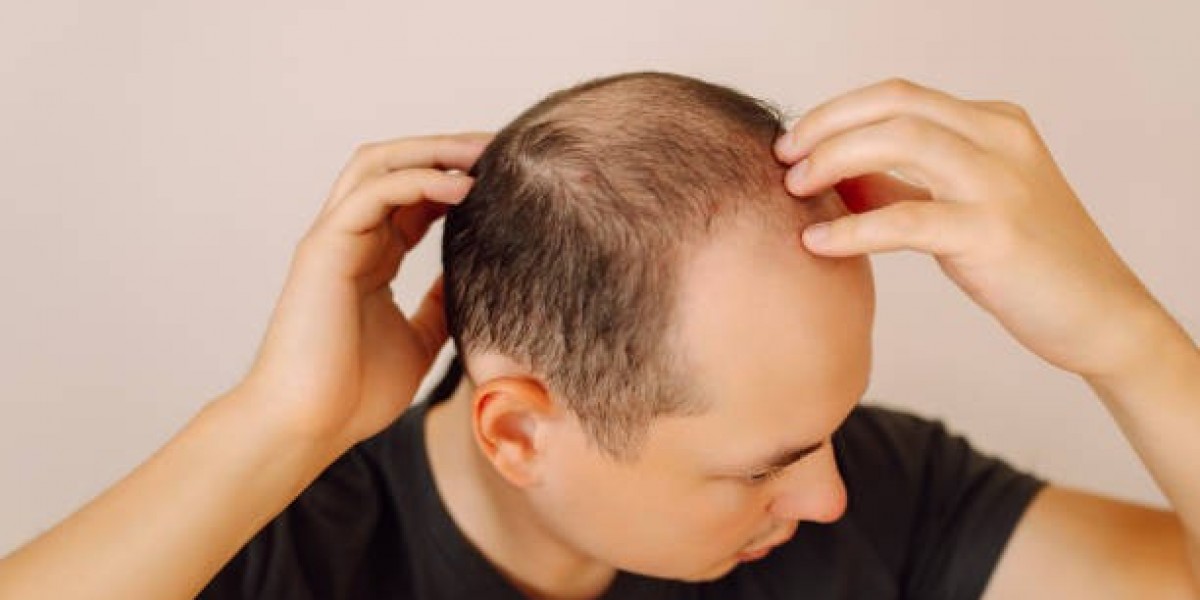
Androgenetic alopecia, commonly known as male-pattern hair loss, is one of the most frequent causes of thinning in men. It is influenced by genetics and the effects of androgens on susceptible hair follicles. Common signs include a receding hairline, thinning around the temples, and reduced density at the crown.
The condition generally progresses gradually. Early assessment can help determine whether treatments such as topical minoxidil or suitable prescription medication may help slow progression and maintain existing hair.
Pattern Hair Loss in Women
Female-pattern hair loss can develop as a widening central part or gradual thinning across the top of the scalp. The front hairline may remain relatively unchanged, although patterns vary between individuals. Genetics and age-related changes can contribute, and the condition does not necessarily indicate abnormal hormone levels.
People experiencing persistent thinning should seek an assessment to distinguish hereditary hair loss from other conditions that may require different care.
Hormonal Changes and Medical Conditions
Hormones influence the hair growth cycle, so changes in hormone levels or certain medical conditions can affect hair density. Pregnancy, childbirth, menopause, and thyroid disorders may contribute to changes in shedding or hair texture. Some individuals with conditions involving androgen excess may also experience scalp thinning alongside symptoms such as irregular menstrual cycles or increased facial hair.
Autoimmune conditions, including alopecia areata, can cause distinct patches of hair loss. Inflammatory scalp disorders may also damage follicles and, in some cases, cause permanent hair loss if treatment is delayed. Medical evaluation is important when shedding develops suddenly, occurs in patches, or appears with scalp discomfort or visible inflammation.
Stress and Temporary Hair Shedding
Physical or emotional stress can disrupt the normal hair growth cycle. Telogen effluvium is a form of temporary shedding that may occur after a significant illness, surgery, childbirth, major emotional stress, or rapid weight loss. People often notice more hair in their brush, shower, or pillow several weeks to a few months after the triggering event.
This type of shedding often improves when the underlying trigger resolves, although recovery can take several months. Persistent or recurrent shedding should be assessed rather than automatically attributed to stress. A professional may investigate other possible causes before recommending a suitable Hair Loss Treatment in Riyadh.
Nutritional Deficiencies and Dietary Habits
Hair follicles require adequate nutrients to support normal growth. Insufficient iron, protein, zinc, or other essential nutrients may contribute to hair shedding in some individuals. Restrictive diets, inadequate calorie intake, and rapid weight loss can also disrupt the hair growth cycle.
However, not every case of thinning is caused by a deficiency. Taking supplements without confirming a need may be ineffective and can sometimes cause harm, particularly when certain nutrients are consumed in excessive amounts. A healthcare professional can recommend appropriate tests and dietary changes based on symptoms, medical history, and nutritional habits.
Hair Care Practices That Can Damage Hair
Frequent use of high-heat styling tools, harsh chemical treatments, and tight hairstyles can weaken hair shafts or place repeated tension on follicles. Breakage may make hair appear thinner even when the follicles are still producing hair. Tight braids, extensions, and repeatedly pulled-back hairstyles can lead to traction alopecia, which may become permanent if the tension continues for too long.
Using gentle hair-care products, limiting excessive heat, avoiding overly tight hairstyles, and handling wet hair carefully can help reduce breakage. These measures support hair health but do not necessarily treat hereditary or medically caused hair loss.
Scalp Conditions and Infections
A healthy scalp provides an environment for normal hair growth. Conditions such as seborrheic dermatitis, psoriasis, and certain fungal infections may cause itching, redness, scaling, or inflammation. Some conditions can increase shedding or lead to hair breakage, while others may damage follicles if left untreated.
Avoid scratching the scalp aggressively or applying unverified remedies that may irritate the skin. Seek medical advice if scalp symptoms persist, worsen, or occur alongside patchy hair loss. Early diagnosis can help prevent complications and guide appropriate treatment.
Medications and Other Health-Related Causes
Certain medicines may contribute to hair shedding as a side effect. These can include some treatments for cancer, blood pressure, mood disorders, and other medical conditions. Hair changes may also occur alongside chronic illness, significant surgery, or changes in general health.
Do not stop a prescribed medicine without consulting the clinician who prescribed it. If hair loss begins after starting or changing medication, discuss the timing and symptoms with a healthcare professional to determine whether the medicine could be involved and whether alternatives are appropriate.
When Should You Seek Professional Help?
A professional assessment is advisable when hair loss is sudden, persistent, severe, or accompanied by scalp pain, redness, scaling, or smooth bald patches. You should also seek advice if thinning occurs with unexplained fatigue, substantial weight changes, or other new symptoms.
During an assessment, a clinician may review your medical and family history, examine the scalp, and recommend blood tests or other investigations when appropriate. Identifying the cause is essential because different forms of hair loss respond to different treatments.
Treatment Options for Hair Loss and Thinning
Treatment depends on the diagnosis and may include topical minoxidil, selected prescription medicines, correction of confirmed nutritional deficiencies, or treatment for an underlying scalp or medical condition. Platelet-rich plasma (PRP) therapy may be considered for selected patients, although results vary and evidence differs by condition. Hair transplantation may be suitable for some people with stable hereditary hair loss and sufficient donor hair.
There is no single solution that works for everyone. When exploring Hair Loss Treatment in Riyadh, ask a qualified clinician about expected results, possible side effects, treatment duration, and ongoing maintenance. Be cautious of products that promise guaranteed regrowth or immediate results.
Conclusion
Hair loss and thinning can develop for many reasons, including genetics, hormonal changes, stress, nutritional deficiencies, scalp disorders, and medication effects. Recognizing the pattern and associated symptoms can help identify the underlying cause and guide appropriate care. Early assessment is especially important when shedding is sudden, patchy, persistent, or accompanied by scalp inflammation.
If you are concerned about thinning hair or increased shedding, contact Royal Clinic Saudia to arrange a consultation. A professional assessment can help you understand the possible causes and explore appropriate Hair Loss Treatment in Riyadh options based on your individual needs.