
As people age, the skin gradually loses collagen, elastin, and some of the structural support that keeps facial tissues firm. These changes can contribute to sagging cheeks, softer jawlines, drooping brows, and more noticeable facial folds. Thread lift treatment in Riyadh is a minimally invasive cosmetic procedure designed to lift selected areas by placing specialised medical threads beneath the skin. The threads provide support to targeted tissues, helping create a more lifted and defined appearance. Understanding how the procedure works, who may benefit, and what results to expect can help individuals make informed decisions about facial rejuvenation.
How Thread Lift Treatment Works
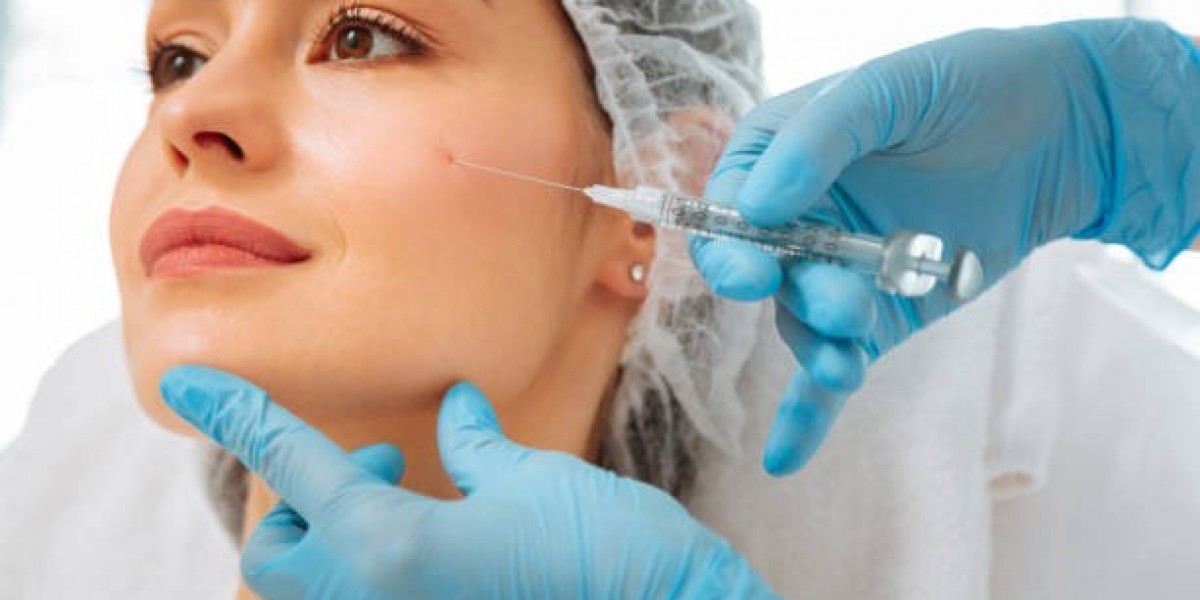
A thread lift uses medical-grade threads inserted beneath the skin through small entry points with fine needles or cannulas. Once positioned, the threads help support and lift targeted tissues. Some thread designs have small cones or barbs that help hold the tissue in place. The practitioner carefully determines the placement according to facial anatomy, skin laxity, and the desired improvement. Certain thread materials may also stimulate collagen production as they gradually dissolve. However, the lifting effect and collagen response vary between individuals, and the procedure does not permanently stop the ageing process.
How Threads Help Reposition Sagging Facial Tissues
Supporting the Cheeks and Midface
The cheeks can lose volume and appear lower as facial structures change with age. A thread lift may provide support to selected areas of the midface, creating a subtle lifting effect. The suitability of this approach depends on the degree of sagging, skin quality, and underlying facial structure.
Improving Jawline Definition
Loose skin around the lower face can make the jawline appear less distinct. Carefully placed threads may improve the appearance of mild laxity around this area. However, thread lifts cannot remove excess skin or replace surgical procedures when sagging is significant.
Enhancing Selected Facial Areas
Depending on the technique and the patient's needs, threads may be used in areas such as the brows or neck. Not every area is suitable for every thread technique, so an experienced medical practitioner should assess the facial anatomy and recommend an appropriate approach.
Benefits of Thread Lift Treatment
A Minimally Invasive Procedure
Unlike a traditional facelift, a thread lift generally uses small entry points rather than extensive surgical incisions. Local anaesthesia is commonly used to improve comfort, and many patients can return to light daily activities relatively quickly. Nevertheless, temporary bruising, swelling, tenderness, and tightness may occur.
Subtle and Natural-Looking Results
A carefully planned thread lift aims to improve facial support without dramatically changing natural features. The outcome depends on tissue condition, thread placement, and the practitioner's technique. Realistic expectations are important because the results are usually more subtle than those of surgical facial lifting.
Potential Collagen Stimulation
Some absorbable threads may encourage collagen production as the body responds to the material. Collagen supports skin structure, but the extent of any improvement varies. Thread lifts should not be considered a guaranteed solution for wrinkles, skin texture, or substantial loss of facial volume.
Who May Be a Suitable Candidate?
Thread lifts may suit adults with mild to moderate facial sagging who want a modest lifting effect without major surgery. Good candidates should understand the limitations and have realistic expectations. Individuals with substantial excess skin may benefit more from other approaches. Certain medical conditions, active skin infections, bleeding disorders, or medications may affect eligibility. A qualified medical professional should review the patient's health history, examine the treatment area, and explain suitable alternatives before proceeding.
What Happens During the Procedure?
Consultation and Preparation
The process begins with an assessment of facial structure, skin condition, medical history, and treatment goals. The practitioner explains the proposed technique, the type of threads, expected outcomes, possible complications, and recovery instructions. Patients should disclose all medications and supplements and should not stop prescribed medication without medical advice.
Thread Placement and Recovery
The treatment area is cleaned, and local anaesthesia may be applied. The threads are inserted and positioned beneath the skin according to the treatment plan. After the procedure, temporary swelling, bruising, tenderness, tightness, or unevenness may occur. Patients should follow their practitioner's guidance about skincare, facial movements, sleeping positions, exercise, and follow-up visits.
How Long Do Results Last?
Thread lift results are temporary and vary depending on the thread material, placement technique, skin condition, and individual healing response. Absorbable threads gradually dissolve, and the initial lifting effect may diminish over time. Collagen-related changes may provide additional support in some patients, but results cannot be guaranteed. A practitioner can explain the likely duration and whether another treatment or an alternative procedure may better suit the patient's goals.
Risks and Important Safety Considerations
Although thread lifts are minimally invasive, potential complications include infection, bruising, swelling, discomfort, skin dimpling, asymmetry, visible threads, and thread migration. Some complications may require medical attention or corrective treatment. Choosing a qualified, experienced practitioner and following aftercare instructions can help reduce avoidable risks. Worsening pain, spreading redness, fever, or unusual discharge after treatment should prompt urgent medical assessment.
Choosing Thread Lift Treatment in Riyadh
Before choosing a procedure, ask about practitioner qualifications, the type of threads used, expected results, possible risks, and available alternatives. Thread lift treatment in Riyadh should be tailored to the patient's facial anatomy and degree of skin laxity rather than following a standard approach for everyone. A thorough consultation can help determine whether the procedure is suitable and establish realistic expectations for facial rejuvenation.
Book a Consultation at Royal Clinic Saudi
If you are considering a thread lift, Royal Clinic Saudi can be a starting point for discussing your facial concerns and exploring suitable treatment options. Book a consultation to learn about the procedure, understand its potential benefits and risks, and determine whether it aligns with your goals. A personalised assessment by a qualified medical professional is an important step toward making an informed decision.
FAQs:
1. How does a thread lift reposition facial tissues?
Threads placed beneath the skin provide support and gently lift selected tissues.
2. Which facial areas can a thread lift treat?
Depending on suitability, treatment may target the cheeks, jawline, brows, or neck.
3. Are thread lift results permanent?
No, results are temporary and vary according to the thread type and individual factors.
4. Is a thread lift suitable for severe sagging?
Usually not; significant sagging may require a different treatment approach.