
Stubborn abdominal fat can remain noticeable even when a person follows a balanced diet and maintains an active lifestyle. For individuals who want to improve their waistline and achieve more defined body contours, exploring body-shaping options may be worthwhile. Before choosing how to get rid of belly fat, it is important to understand the available procedures, determine whether treatment is suitable for your needs, and develop realistic expectations about the results. Learning about safety, recovery, and long-term maintenance can help you make a more informed decision.
Understand What Belly Fat Removal Can Achieve
Belly fat removal generally refers to procedures designed to reduce localized fat deposits around the abdomen. Depending on the technique, treatment may involve surgery or a non-surgical body-contouring method. The primary goal is to improve the shape of a specific area rather than produce substantial overall weight loss.
Body Contouring Versus Weight Loss
Body contouring and weight loss serve different purposes. Weight loss generally reduces overall body fat, while localized fat-removal procedures target selected areas beneath the skin. Someone who is close to a stable, healthy weight but has persistent abdominal fat may be a more appropriate candidate than someone seeking treatment for significant excess weight.
It is also important to understand that fat removal does not automatically create a flat stomach. Skin laxity, abdominal muscle separation, posture, and the distribution of deeper abdominal fat can all influence the appearance of the midsection.
Identify the Type of Abdominal Fat
Subcutaneous fat lies directly beneath the skin and contributes to visible fullness around the waist and lower abdomen. Visceral fat, by contrast, is located deeper inside the abdominal cavity around internal organs. Cosmetic procedures such as liposuction target selected subcutaneous fat deposits, not visceral fat.
Understanding this distinction helps patients choose an appropriate approach. If abdominal fullness is related to visceral fat or a medical condition, lifestyle changes and medical assessment may be more suitable than cosmetic treatment.
Explore the Available Treatment Options
Different procedures offer different benefits, limitations, and recovery requirements. The most appropriate choice depends on the treatment area, skin quality, general health, and desired outcome.
Surgical Belly Fat Removal
Liposuction is a surgical procedure that removes localized fat through small incisions using a specialized instrument. It can reshape selected areas of the abdomen and waist when performed on an appropriate candidate. However, it is not an obesity treatment, and it does not remove significant amounts of loose skin unless combined with another procedure designed for that purpose.
Recovery may involve swelling, bruising, tenderness, and temporary restrictions on exercise. Depending on the extent of treatment, visible improvement may take weeks or months to become clearer.
Non-Surgical Fat Reduction
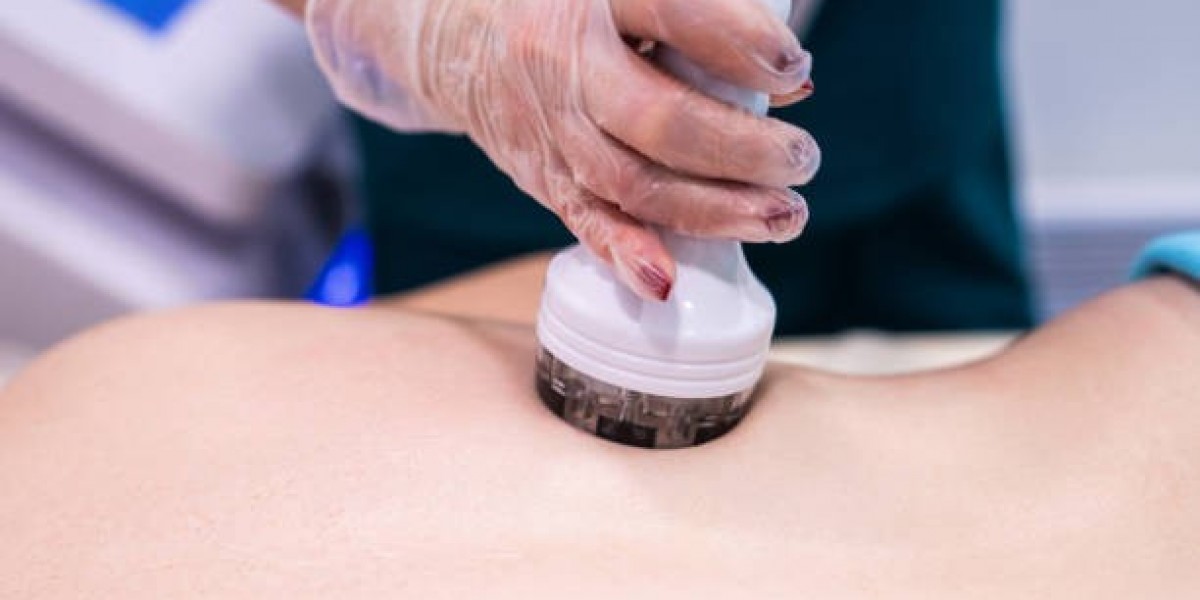
Some non-surgical body-contouring treatments use controlled cooling or other technologies to target selected fat deposits. These methods may appeal to people who prefer to avoid surgery, but results are generally more modest and may require multiple sessions.
Non-surgical treatments are not suitable for every person or every type of abdominal fullness. Before choosing Belly Fat Removal in Riyadh, ask which technology is being recommended, what evidence supports its use, what side effects may occur, and how the expected outcome compares with surgical options.
Check Whether You Are a Suitable Candidate
Candidate suitability is one of the most important considerations before treatment. A healthcare professional should evaluate your medical history, current medications, previous procedures, skin elasticity, and the distribution of abdominal fat.
People with localized fat deposits, relatively stable weight, and realistic expectations may be suitable for certain body-contouring procedures. Those with substantial weight fluctuations, significant loose skin, or abdominal fullness caused by muscle separation may need a different treatment plan.
Pregnancy, plans for pregnancy, certain medical conditions, and medications that affect healing or bleeding can also influence treatment decisions. Share relevant health information openly during the consultation so that the practitioner can assess possible risks and alternatives.
Understand the Risks and Possible Side Effects
Every cosmetic procedure carries some degree of risk. Temporary swelling, bruising, tenderness, and changes in sensation may occur after fat-reduction treatments. Surgical procedures also carry risks such as infection, fluid accumulation, uneven contours, scarring, and complications related to anesthesia.
Non-surgical procedures have their own potential side effects, which vary by technology. Some treatments may cause prolonged discomfort or unwanted changes in the treated area. The practitioner should explain the specific risks associated with the proposed method rather than offering general assurances.
When considering Belly Fat Removal in Riyadh, choose a qualified healthcare professional who works in an appropriate clinical setting and provides clear information about safety, expected outcomes, and follow-up care. Ask how complications are managed and whom to contact if concerns arise after treatment.
Prepare for the Consultation and Recovery
A consultation is an opportunity to discuss your goals and determine whether the expected results align with your preferences. Bring a list of medications and supplements, mention allergies and previous surgeries, and ask about any preparation instructions.
Questions Worth Asking Before Treatment
Which procedure is most appropriate for my abdominal concerns?
How much improvement is realistic for my body shape?
Will the treatment address fat, loose skin, or both?
What side effects and complications should I understand?
How long might recovery take, and when can I resume normal activities?
Will I need follow-up appointments or additional sessions?
Recovery requirements depend on the selected procedure. Surgical patients may need wound care, compression garments, and temporary activity restrictions. People receiving non-surgical treatment may have different aftercare instructions. Following the practitioner's guidance can support recovery and help identify potential complications early.
Increasing pain, spreading redness, fever, unusual drainage, or rapidly worsening swelling should be assessed promptly. Severe symptoms, including breathing difficulties or chest pain after a procedure, require emergency medical attention.
Maintain Your Results With Healthy Habits
Fat-removal procedures do not prevent future weight gain. Remaining fat cells can enlarge when weight increases, potentially changing the appearance of the treated area. Maintaining a stable weight is therefore an important part of long-term body-contouring results.
A balanced eating pattern, regular physical activity, adequate sleep, and sustainable lifestyle habits can support general health and weight management. Strength training may help improve muscle tone, while cardiovascular exercise supports overall fitness. These habits cannot selectively remove abdominal fat, but they can complement an appropriate treatment plan.
Make an Informed Decision About Belly Fat Removal
Choosing a body-contouring procedure requires more than comparing treatment methods. You should understand your goals, assess your health, review the possible risks, and consider whether the expected changes justify the recovery and aftercare involved. Belly Fat Removal in Riyadh may help selected individuals reduce localized abdominal fat, but results vary and no procedure can guarantee a particular body shape.
For personalized guidance, arrange a consultation with Royal Clinic Saudia to discuss your concerns, review suitable options, and understand the potential benefits and limitations of treatment before making a decision.