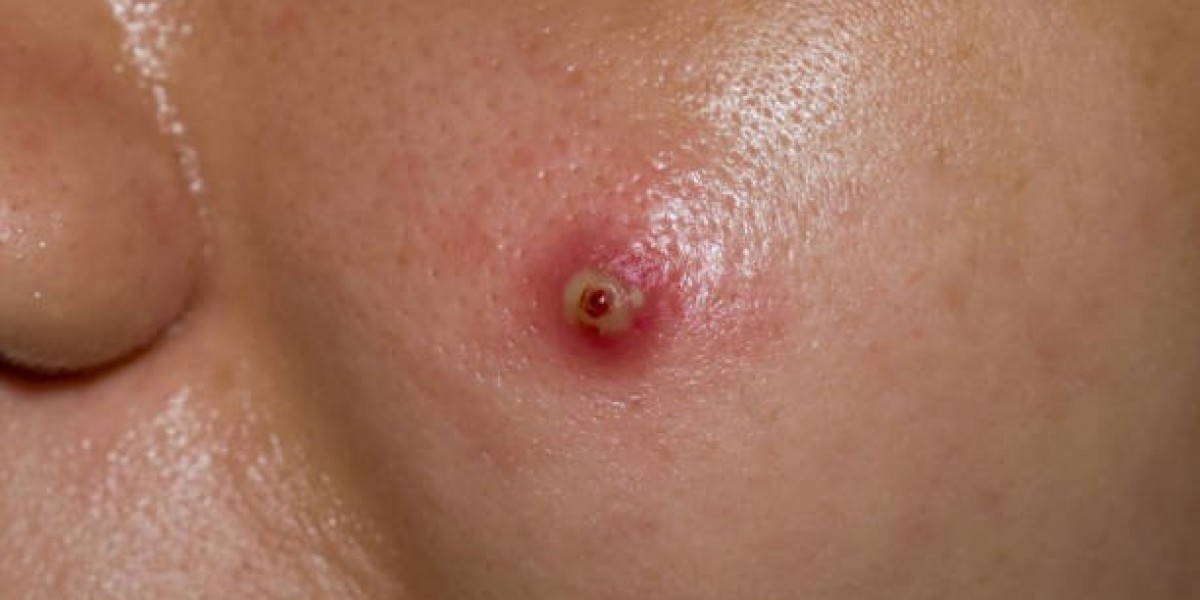

Sebaceous cysts are common skin lumps that can develop when skin cells become trapped beneath the surface or when certain skin structures become blocked. Although many cysts appear without an obvious cause, genetics may play a role in some cases, particularly when cysts develop repeatedly or affect several family members. Understanding these factors can help people recognize when a skin lump needs medical attention. Sebaceous cyst removal in Riyadh (إزالة الكيس الدهني في الرياض) is an option for individuals seeking professional assessment and treatment for persistent, recurring, or uncomfortable cysts.
Family history can sometimes provide useful clues about why a person develops multiple skin cysts. Certain inherited conditions are associated with a tendency to form numerous cysts, while many isolated cysts occur without any known genetic connection. It is also important to understand that the term “sebaceous cyst” is commonly used for epidermoid cysts, which typically contain keratin rather than sebum. Identifying the type of cyst is essential for understanding its possible cause and choosing suitable treatment.
Can Genetics Influence Sebaceous Cyst Formation?
Genetics can influence several characteristics of the skin, including how skin cells develop, how hair follicles function, and whether a person has a predisposition to particular skin conditions. In some families, inherited factors are associated with the development of multiple epidermoid cysts or other cyst-forming conditions.
However, most people who develop a single epidermoid cyst do not have an identifiable inherited disorder. These cysts may form when skin cells become trapped beneath the skin, sometimes following minor injury or blockage of a follicular opening. Therefore, having a cyst does not automatically mean that a person has a genetic condition.
What Inherited Conditions Are Associated With Skin Cysts?
Some genetic conditions can increase the likelihood of developing multiple skin cysts. Recognizing these conditions is important when cysts appear in unusual numbers, begin at a young age, or occur alongside other symptoms.
Steatocystoma Multiplex
Steatocystoma multiplex is a condition characterized by multiple cysts that develop around sebaceous glands. The cysts often appear on the chest, upper arms, armpits, or other parts of the body. Some cases are associated with inherited changes in the KRT17 gene, although not every case has a clear family history.
These cysts are different from ordinary epidermoid cysts. A medical examination can help distinguish between them and guide appropriate treatment.
Gardner Syndrome
Gardner syndrome is a rare inherited condition associated with familial adenomatous polyposis. It can cause multiple growths, including epidermoid cysts, along with other findings such as certain bone growths and intestinal polyps.
Multiple cysts alone do not establish a diagnosis of Gardner syndrome. However, cysts occurring alongside a strong family history of colorectal polyps or colorectal cancer may warrant medical evaluation and consideration of genetic counselling.
Familial Multiple Epidermoid Cysts
In some families, multiple epidermoid cysts occur in several relatives. The inheritance pattern can vary, and not every family has an identified genetic cause. A detailed medical and family history can help a clinician determine whether further investigation is appropriate.
How Can You Tell If Skin Cysts May Be Hereditary?
Not every recurring cyst is inherited, so clinicians consider the overall pattern rather than relying on a single symptom. Certain features may make a genetic contribution more likely.
Several cysts: Multiple cysts appearing on different areas of the body may warrant closer assessment.
Family history: Similar cysts in parents, siblings, or other relatives can suggest a familial tendency.
Early development: Cysts that begin appearing at a young age may deserve further evaluation, especially when numerous.
Repeated growths: New cysts developing over time may indicate an underlying skin condition rather than the recurrence of one previously treated cyst.
Other unusual symptoms: Additional skin changes or a family history of specific inherited conditions may influence the need for further testing.
These features are clues rather than proof of a genetic disorder. A clinician can assess the lumps and decide whether additional tests or specialist referral may be helpful.
Can Genetic Testing Diagnose the Cause of Sebaceous Cysts?
Genetic testing is not routinely necessary for a person with one uncomplicated skin cyst. Most cysts can be assessed through a physical examination, and some may be examined after removal if their diagnosis is uncertain.
When a clinician suspects an inherited condition, the evaluation may include a detailed family history, examination of other skin lesions, and assessment for associated signs. Genetic counselling or targeted genetic testing may be considered when the findings suggest a specific inherited disorder.
In selected cases, a tissue sample may be sent for histopathological examination to confirm the type of cyst. This can help distinguish an epidermoid cyst from other skin growths and support decisions about further management.
Does a Family History of Cysts Mean You Will Develop Them?
Having relatives with skin cysts may increase suspicion of a familial tendency, but it does not mean that every family member will develop them. The likelihood depends on the specific condition, its inheritance pattern, and other individual factors.
People with a family history of multiple cysts should monitor new or changing lumps and seek assessment when necessary. There is no guaranteed method to prevent all cysts, but avoiding squeezing or puncturing existing lumps can reduce irritation and the risk of complications.
What Are the Treatment Options for Genetic or Recurrent Skin Cysts?
Treatment depends on the type, location, size, and symptoms of the cyst. Some small, uncomplicated cysts can be monitored if they are not causing problems. Others may require treatment because they become painful, inflamed, or repeatedly return.
Observation and Medical Assessment
A clinician may recommend observation when a cyst is harmless and symptom-free. Regular assessment can be useful when multiple cysts are present or when an inherited condition is suspected.
Treatment of Inflammation
An inflamed cyst may require treatment before removal is considered. Depending on the diagnosis, a clinician may recommend medication or drainage. These approaches can address particular symptoms but may not eliminate the cyst capsule.
Surgical Removal
For persistent or troublesome epidermoid cysts, complete surgical excision may be recommended. Sebaceous cyst removal in Riyadh begins with an assessment to confirm the likely diagnosis and determine the most suitable approach. Removing the cyst wall helps reduce the risk of the same cyst returning, although new cysts may still develop elsewhere, particularly in people with an underlying cyst-forming condition.
When Should You Seek Professional Advice?
Arrange a medical assessment if a skin lump grows rapidly, changes in appearance, repeatedly returns, becomes painful, or develops an open sore. Increasing redness, warmth, swelling, pus, or fever may indicate infection and should be assessed promptly.
If several cysts develop or you have a family history of an inherited condition associated with skin growths, discuss these details with your clinician. Early assessment can help identify the type of cyst, determine whether further investigation is appropriate, and establish a suitable treatment plan.
Book a Consultation at Royal Clinic Saudia
If you have recurring skin cysts or suspect that family history may be contributing to their development, a professional evaluation can help clarify your concerns. Royal Clinic Saudia (عيادات رويال كلينك) can assess your skin condition and discuss appropriate treatment options, including Sebaceous cyst removal in Riyadh when clinically indicated. An individualized approach can help address existing cysts and determine whether further investigation may be needed.
FAQs:
Are sebaceous cysts hereditary?
Most individual epidermoid cysts are not clearly linked to inherited conditions. However, some people develop multiple cysts because of familial tendencies or specific genetic disorders. A family history of numerous cysts may be worth discussing with a clinician.
Why do several members of my family have skin cysts?
Family members may share an inherited predisposition to certain cyst-forming conditions. However, similar-looking lumps can have different causes, so medical assessment is important before concluding that a genetic condition is responsible.
Can genetic testing prevent sebaceous cysts?
Genetic testing does not prevent cyst formation. It may help identify a specific inherited condition when clinical findings and family history suggest one. The results can support medical planning and appropriate follow-up.
Can genetically related skin cysts be removed permanently?
Individual cysts may be removed, but the outcome depends on their type and whether the entire cyst wall is removed. People with inherited cyst-forming conditions may develop new cysts even after successful treatment of existing ones.