
Hair loss can occur for several reasons, but sudden bald patches or unexpected thinning may indicate an underlying condition that requires professional assessment. Alopecia areata is an autoimmune disorder that affects hair follicles and can cause hair loss on the scalp, eyebrows, eyelashes, and other areas of the body. Recognising its possible causes and early symptoms can help individuals seek appropriate care and understand their options. Learning about alopecia hair treatment can also help patients explore professional assessment and evidence-based management approaches. Although the condition affects everyone differently, understanding how it develops and what signs to look for is an important first step toward managing hair loss.
What Is Alopecia Areata?
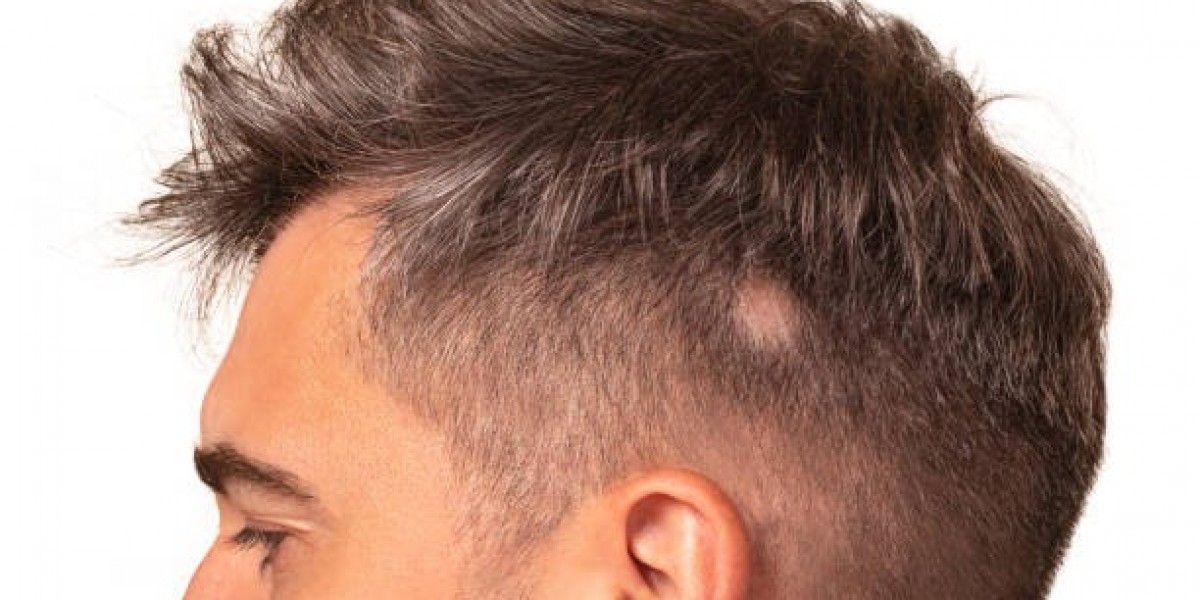
Alopecia areata is an autoimmune condition in which the immune system mistakenly attacks hair follicles, disrupting normal hair growth. It often appears as one or more smooth, round or oval patches of hair loss on the scalp. In some cases, it affects larger areas or causes hair loss across the scalp and body.
Unlike certain scarring hair disorders, alopecia areata generally does not permanently destroy the follicles. This means that hair regrowth may be possible, although the timing and extent of regrowth are unpredictable. Some people experience a single episode, while others have repeated periods of hair loss and regrowth.
The condition is not contagious and is not caused by poor hygiene. It can affect people of all ages, genders, and ethnic backgrounds.
What Causes Alopecia Areata?
The exact reason alopecia areata develops is not fully understood. However, research indicates that an abnormal immune response is central to the condition. Genetic susceptibility and other biological factors may also contribute.
The Role of the Immune System
Hair follicles normally move through different stages of growth and rest. In alopecia areata, immune cells mistakenly target structures associated with the hair follicles, disrupting the normal growth cycle and causing affected hairs to fall out.
The follicles often remain capable of producing hair, which helps explain why regrowth can occur. However, the immune response may become active again, resulting in new bald patches or recurring hair loss.
Genetic Factors
Family history can influence the likelihood of developing alopecia areata. People with relatives who have the condition or certain autoimmune disorders may have an increased susceptibility.
Nevertheless, genetics do not determine the outcome in every case. Many individuals develop alopecia areata without any known family history, and having an affected relative does not mean the condition will inevitably develop.
Stress and Physical Triggers
Some people notice hair loss following significant emotional stress, illness, or other physical changes. These experiences may coincide with the onset of symptoms, but stress is not established as the sole cause of alopecia areata.
The condition can develop even when no obvious trigger is identified. Patients should not blame themselves for experiencing hair loss, and professional assessment can help clarify the diagnosis.
Other Autoimmune Conditions
Alopecia areata may occur alongside other autoimmune disorders, including thyroid disease. However, not everyone with alopecia areata has another autoimmune condition.
A clinician may recommend further assessment or selected tests when symptoms, medical history, or examination findings suggest another health concern. Testing is not necessarily required for every patient.
Common Symptoms of Alopecia Areata
The symptoms depend on the areas affected and how actively the condition is progressing. Hair loss may appear suddenly or develop over a period of time.
Round or Oval Bald Patches
The most recognisable symptom is one or more smooth bald patches on the scalp. The affected skin often looks relatively normal, without prominent redness, scaling, or scarring.
Patches may be small and isolated or occur in several areas. Some people notice them while brushing their hair, washing their scalp, or changing their hairstyle.
Increased Hair Shedding
Although alopecia areata is commonly associated with distinct bald patches, some people notice increased shedding around affected areas. Short broken hairs may appear near the edges of patches, particularly when the condition is active.
Sudden or unexplained shedding can have several causes, so it is important not to assume that every case is alopecia areata. A professional examination can help distinguish it from other forms of hair loss.
Eyebrow and Eyelash Loss
Alopecia areata can affect facial hair as well as scalp hair. Some individuals notice thinning or bald areas in their eyebrows, loss of eyelashes, or reduced beard growth.
When hair loss affects several body areas, a healthcare professional may recommend a more comprehensive assessment to determine the extent of the condition and discuss suitable management options.
Nail Changes
Some people develop small dents in their fingernails or toenails, rough nail surfaces, brittleness, or other changes in nail texture. These findings are not present in every case, but they can accompany alopecia areata.
Different Patterns of Alopecia Areata
Alopecia areata can present in different forms depending on how much hair is affected.
Patchy Alopecia Areata
This is the most common pattern and involves one or more bald patches. Hair may regrow in affected areas, but new patches can also develop.
Alopecia Totalis
Alopecia totalis involves the loss of all or nearly all scalp hair. Its course varies, and some individuals may require specialist treatment and ongoing monitoring.
Alopecia Universalis
Alopecia universalis is a more extensive form in which hair is lost across the scalp and most or all of the body. It is less common than patchy alopecia areata and may be more challenging to manage.
The extent of hair loss does not always predict how a person will respond to treatment. Individual assessment remains important.
How Is Alopecia Areata Diagnosed?
A healthcare professional usually diagnoses alopecia areata by examining the scalp, reviewing symptoms, and asking about personal and family medical history.
Scalp Examination
The clinician may look for characteristic smooth patches, short broken hairs, and other signs associated with the condition. A dermatoscope can help examine the scalp and hair follicles more closely.
Additional Investigations
Blood tests are not always necessary. Depending on the symptoms and medical history, a clinician may suggest selected tests to investigate possible thyroid problems or nutritional deficiencies.
Other conditions, including fungal infections, traction alopecia, and scarring hair disorders, can resemble alopecia areata. An accurate diagnosis helps ensure that the treatment plan addresses the actual cause of hair loss.
Treatment Options for Alopecia Areata
Treatment depends on the extent of hair loss, the duration of the condition, the patient's age, and other medical factors. Some people with limited hair loss experience spontaneous regrowth, while others may benefit from medical treatment.
Corticosteroid Treatments
Corticosteroids may help reduce the immune-related inflammation associated with alopecia areata. Depending on the situation, a clinician may recommend topical treatments or injections into selected bald patches.
These treatments are not suitable for everyone, and possible side effects depend on the method used. A qualified healthcare professional should explain the potential benefits and risks before treatment begins.
Other Prescription Options
For some patients with more extensive or persistent hair loss, a dermatologist may consider other prescription medicines. Certain Janus kinase (JAK) inhibitors are approved for specific forms of severe alopecia areata in some countries and eligible patients.
These medicines require medical supervision because they can cause significant side effects and may require laboratory monitoring. The choice of treatment should be based on an individual's clinical assessment.
Supportive Hair Care
Gentle hair care can help reduce breakage and unnecessary irritation, although shampoos, oils, and supplements do not cure the autoimmune process responsible for alopecia areata. Avoid tight hairstyles that pull on the hair and discuss supplements with a healthcare professional before using them.
People exploring Alopecia Areata Treatment in Riyadh should seek an accurate diagnosis before selecting a treatment, as different types of hair loss require different approaches.
When Should You Seek Medical Advice?
Arrange a professional assessment if you notice sudden bald patches, unexplained eyebrow or eyelash loss, rapidly progressing hair loss, or changes that cause concern. Seek advice if the scalp also develops pain, marked redness, scaling, or scarring, as these symptoms may indicate another condition.
Persistent hair loss can affect emotional well-being, and support may be helpful alongside medical care. Early evaluation can help identify the cause and clarify which options may be appropriate.
Get Professional Guidance for Hair Loss
Alopecia areata is an autoimmune condition that can cause patchy or extensive hair loss, and its course differs from person to person. Recognising the symptoms, understanding potential contributing factors, and obtaining an accurate diagnosis can help patients make informed decisions about care. For personalised information about Alopecia Areata Treatment in Riyadh, contact Royal Clinic Saudia to arrange a consultation and discuss your symptoms, suitable treatment options, and a care plan tailored to your needs.