
Plasma pen treatment is a cosmetic procedure designed to address selected skin concerns, including fine lines, wrinkles, and mild skin laxity. It uses a specialized device that produces a small electrical discharge near the skin's surface, creating controlled thermal effects that activate the body's natural healing response. For individuals considering facial plasma in riyadh, understanding how the procedure works, how the skin responds, and what to expect during recovery can help them make informed decisions about their skincare goals.
Understanding the Science Behind Plasma Pen Treatment
Plasma pen devices generate a small electrical arc between the device tip and the skin's surface. This process creates localized heat that produces tiny points of thermal injury. The device is generally used without directly cutting into the skin, although the treatment deliberately affects the skin's surface and requires careful application.
The body's response to this controlled thermal injury involves inflammation and tissue repair. During healing, changes in collagen structure may occur, potentially contributing to improvements in the appearance of certain fine lines or areas of mild skin laxity. However, results vary, and the degree of improvement depends on the device, treatment technique, skin condition, and individual healing response.
Despite being described as a non-surgical procedure, plasma pen treatment is not risk-free. Burns, prolonged redness, infection, scarring, and changes in skin pigmentation can occur, particularly when the treatment is performed incorrectly or on unsuitable skin.
What Happens During the Treatment Process?
Skin Assessment and Preparation
Before the procedure, a qualified practitioner should examine the skin, discuss the patient's concerns, and review their medical history. Previous cosmetic procedures, medication use, skin sensitivity, and a history of abnormal scarring or pigmentation changes may influence treatment suitability.
The practitioner should explain the expected benefits, limitations, alternatives, and possible complications. If treatment is considered appropriate, the skin is cleansed, and a topical anesthetic may be applied when indicated.
Application of the Plasma Pen Device
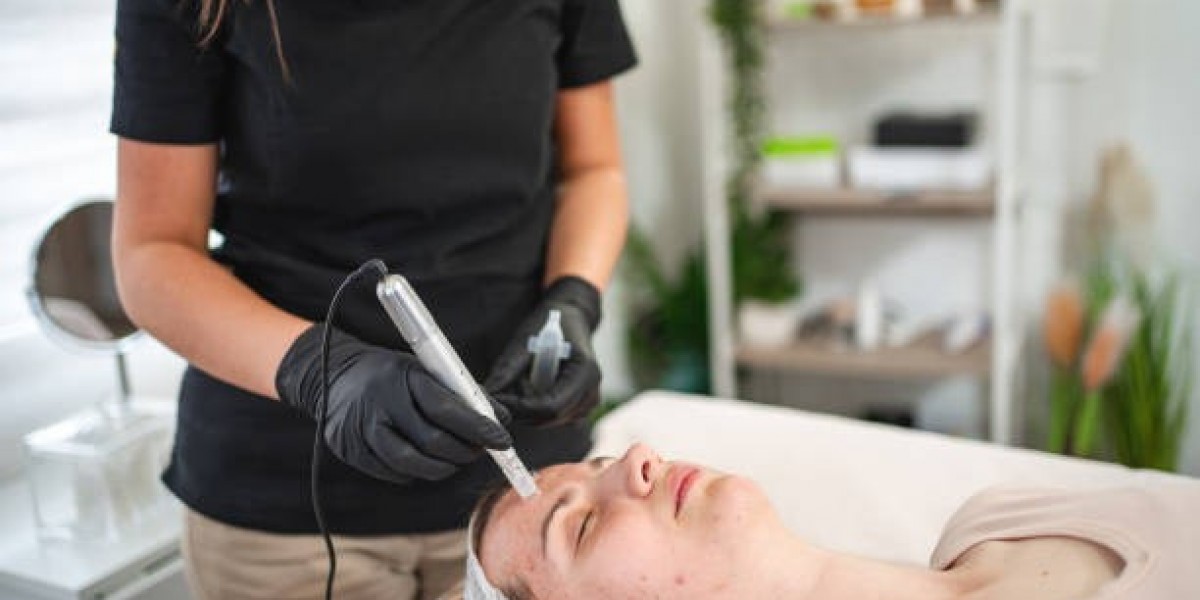
During the procedure, the practitioner moves the device over selected points in the treatment area. Each application creates a small electrical arc that produces localized thermal effects on the skin's surface. The number and placement of treatment points depend on the area being addressed and the practitioner's treatment plan.
The procedure may cause discomfort despite the use of a topical anesthetic. Treatment time varies according to the size and location of the area. Patients should ensure that the provider has appropriate qualifications and experience with the specific device being used.
The Skin's Immediate Response
Small marks or crusts typically form where the device has been applied. Redness, swelling, tenderness, and temporary changes in skin texture may also occur. These effects are part of the healing process, but their severity varies between individuals.
Patients should avoid touching, scratching, or picking the treated areas. Disturbing the healing skin can increase the risk of infection, scarring, and unwanted pigmentation changes.
How Plasma Pen Treatment May Affect Collagen
Collagen is a structural protein that helps support skin strength and firmness. As skin ages, collagen production and organization change, contributing to the development of wrinkles and reduced elasticity.
Plasma pen treatment creates controlled thermal injury that activates a wound-healing response. This response may involve tissue remodeling, including changes in collagen. Some patients may notice an improvement in the appearance of superficial lines or mild skin laxity as healing progresses.
However, the results are not guaranteed, and the scientific evidence supporting plasma pen treatment for different cosmetic indications is limited compared with that for some established procedures. It should not be assumed to produce the same effects as surgery, laser treatments, or other skin-tightening techniques.
For those exploring Plasma Pen Treatment in Riyadh, a consultation can help clarify whether the procedure is appropriate for their specific concern or whether another option may offer a more predictable outcome.
Which Areas Can Be Treated?
Plasma pen procedures are commonly promoted for selected areas where fine lines or mild skin laxity are present. These may include areas around the mouth, forehead, and eyes. However, suitability depends on the specific device, the treatment indication, and the individual's skin characteristics.
Treatment Around the Eyes
The skin around the eyelids is particularly delicate. Thermal injury in this area may cause significant swelling, pigmentation changes, scarring, or other complications. Treatment near the eyes requires particular caution and assessment by an appropriately qualified clinician.
Plasma pen treatment cannot reliably replace eyelid surgery when significant excess skin is present. Patients should be cautious of claims promising dramatic lifting without surgery.
Fine Lines and Mild Skin Laxity
Some providers offer the procedure for superficial wrinkles and selected areas of mild skin laxity. The degree of visible change depends on the severity of the concern, skin condition, and healing response.
Deep wrinkles, substantial skin laxity, and certain scars may require a different approach. A practitioner should explain the likely benefits and limitations before recommending treatment.
Recovery and Skin Healing
After plasma pen treatment, the skin may develop small scabs, redness, and swelling. The duration of recovery depends on the treatment area, intensity, and individual skin response. The skin may take days to weeks to heal, while visible changes can continue to evolve afterward.
Patients should follow the provider's aftercare instructions, keep the area clean, avoid picking scabs, and protect healing skin from sunlight. Irritating skincare products should be avoided until a qualified professional confirms they can be resumed safely.
Seek medical advice if pain or swelling worsens, redness spreads, pus develops, or other signs of infection appear. Persistent changes in pigmentation or texture should also be assessed.
Benefits and Potential Risks
Plasma pen treatment may appeal to people looking for a cosmetic procedure that does not involve conventional surgery. Some patients may notice improvements in selected fine lines or mild skin laxity, but outcomes vary and should not be guaranteed.
Potential complications include burns, prolonged inflammation, infection, scarring, uneven skin texture, and darker or lighter areas of pigmentation. People prone to keloid formation or post-inflammatory pigmentation changes should discuss these risks carefully with a medical professional. Multiple sessions do not necessarily improve results and may increase the risk of complications.
Anyone considering Plasma Pen Treatment in Riyadh should ask about the provider's qualifications, the device's intended use, realistic outcomes, recovery requirements, and alternative procedures.
Is Plasma Pen Treatment Suitable for You?
Whether plasma pen treatment is appropriate depends on the skin concern, medical history, skin type, and expectations. A professional assessment can help identify suitable options and determine whether the potential benefits justify the risks.
Royal Clinic Saudia can be a starting point for discussing your cosmetic concerns and learning about available treatment options. Arrange a consultation with a qualified professional to review your skin, understand the healing process, and determine whether Plasma Pen Treatment in Riyadh is suitable for your individual needs.